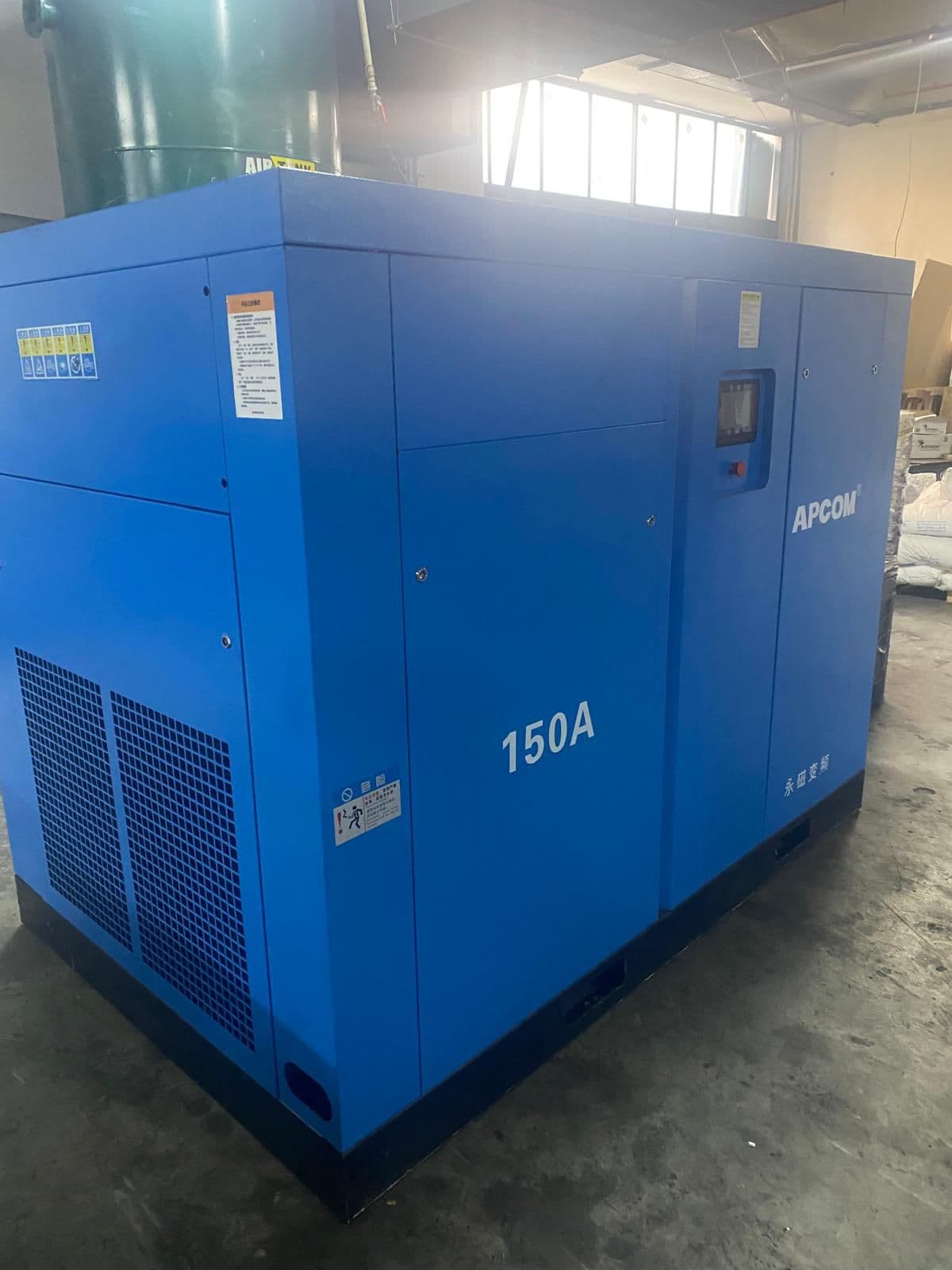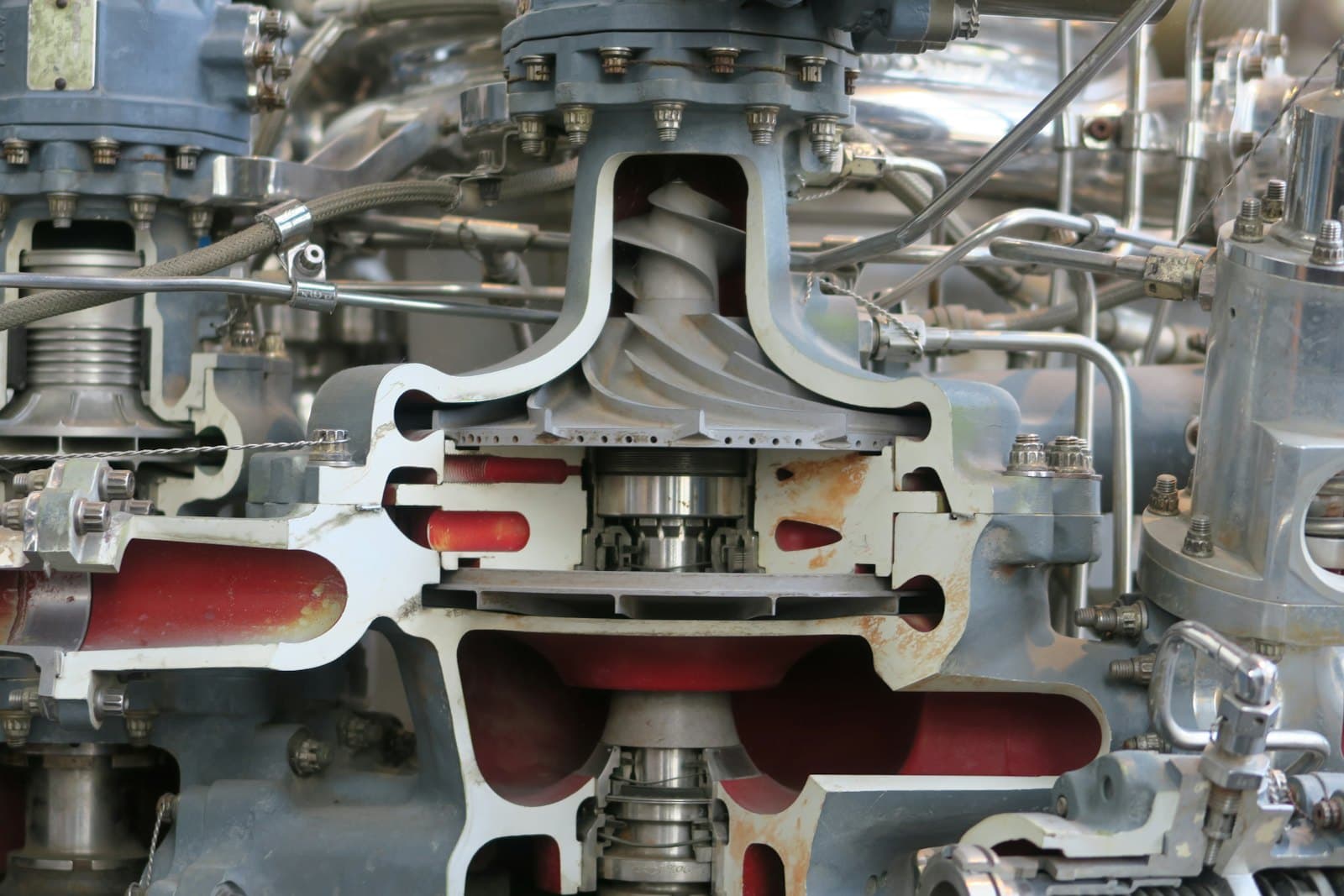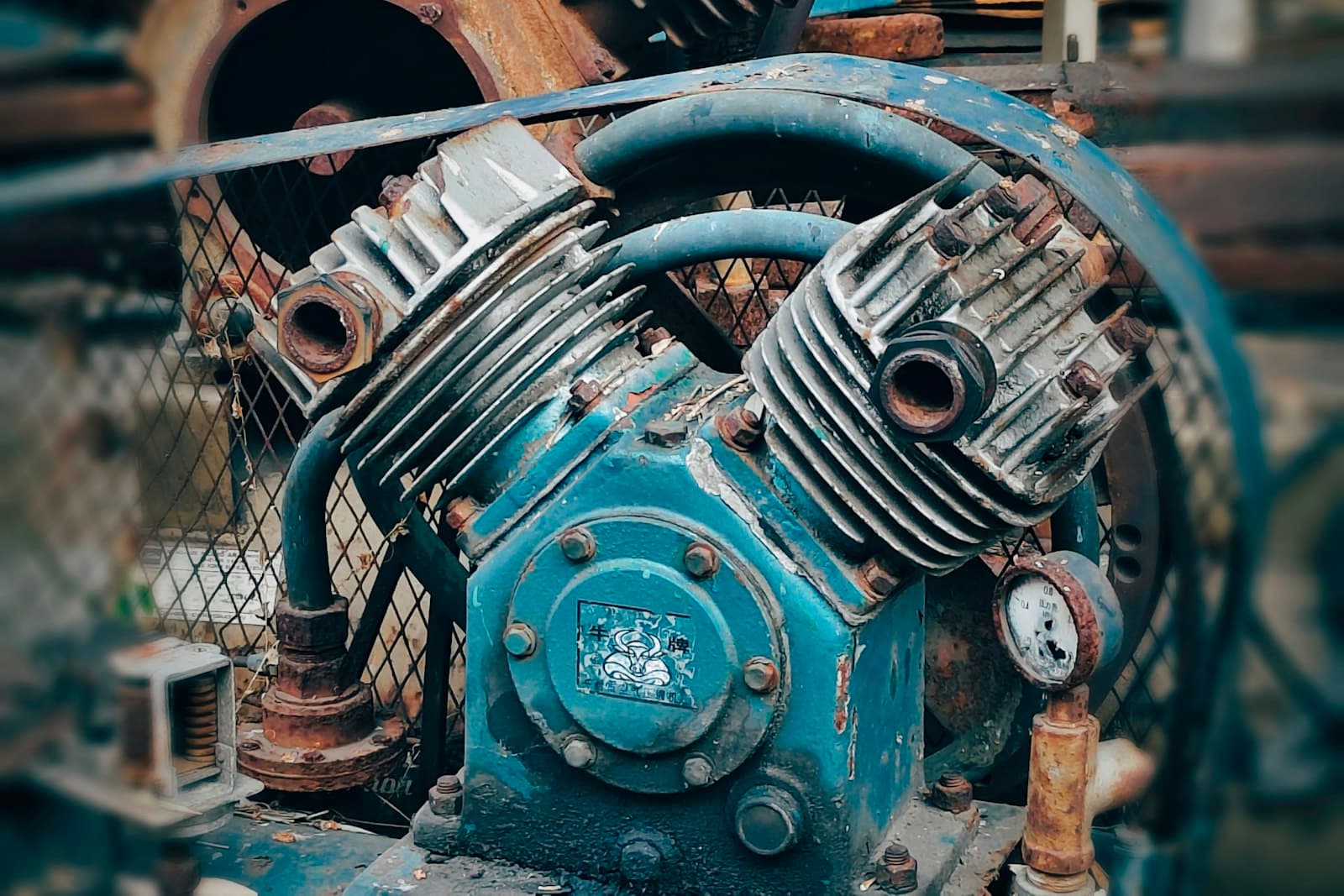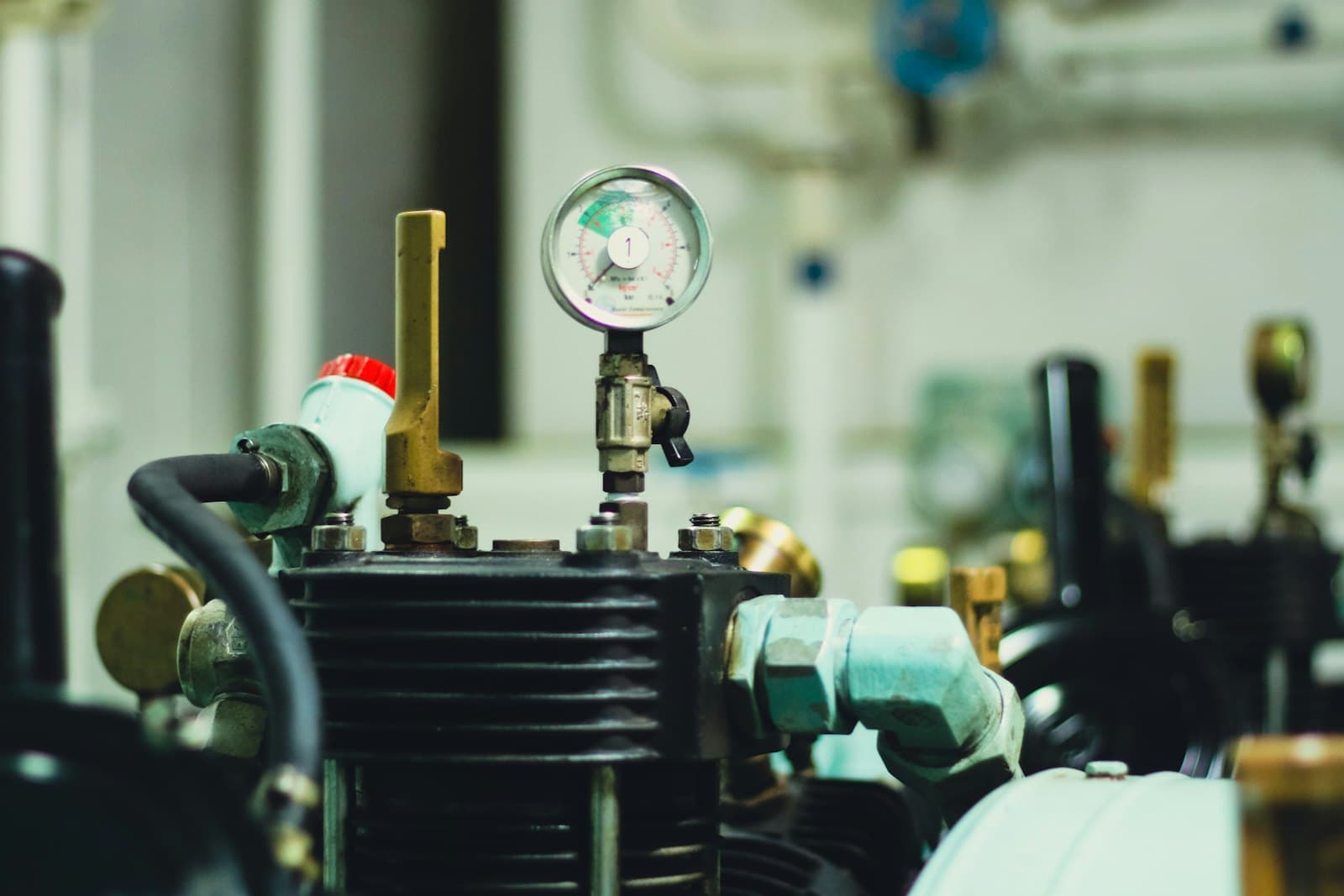

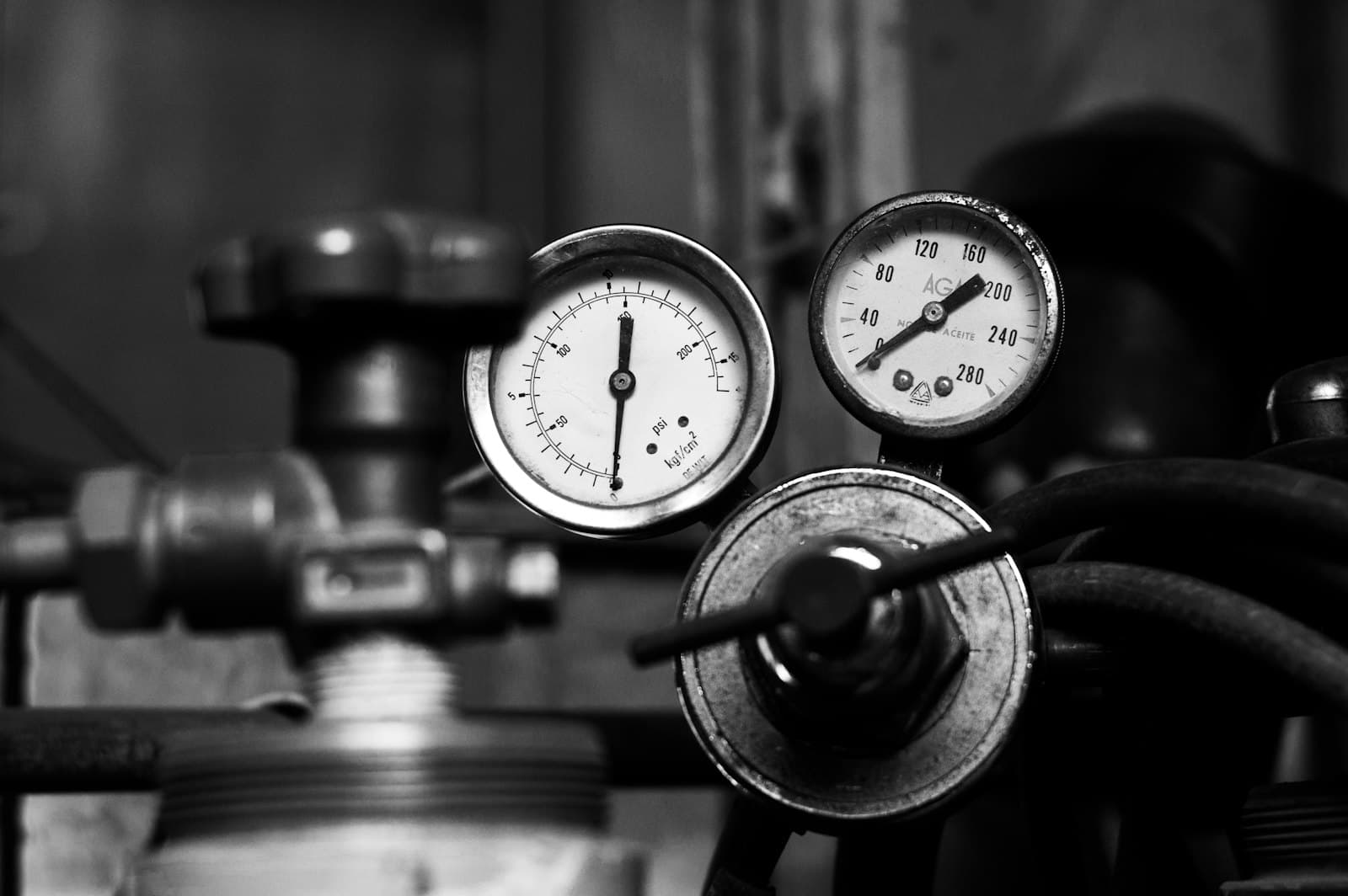
As industrial machines that run continuously, compressors require regular maintenance. Compressors that are not properly maintained can suffer from reduced performance, high energy consumption and serious breakdowns. Scheduled maintenance therefore both extends equipment life and reduces operating costs.
At Karadeniz Kompresör, we offer our customers not only sales but also professional maintenance and technical service support.
1. Daily Checks
Compressors should go through simple checks every day before start-up. These include the oil level, air leaks and a general noise check. If there is any abnormal noise or vibration, the unit must be inspected.
2. Oil and Filter Changes
The oil used in a compressor is critical to the healthy operation of the system. Failing to change the oil regularly leads to component wear and loss of performance.
Likewise, air and oil filters must be replaced at set intervals. Dirty filters cause the compressor to consume more energy.
3. Checking for Air Leaks
Even small air leaks in the system can cause significant energy losses. Pipework and connection points should therefore be checked regularly.
4. Professional Scheduled Maintenance
Daily checks alone are not enough. Compressors need a detailed service by a professional technician at regular intervals. This maintenance allows potential faults to be detected in advance.
Conclusion
Regular compressor maintenance both extends equipment life and improves operational efficiency. At Karadeniz Kompresör, our professional maintenance and service keep your systems running at peak performance at all times.
Industrial Compressor Systems and How to Choose the Right One
Industrial compressor systems are used in large-scale production facilities to meet continuous, high-pressure air demand. These systems keep production lines running without interruption and directly affect a plant's efficiency.
Choosing the right compressor is critical in terms of energy savings and long-term costs.
1. Determining Air Demand
The first step in choosing a compressor is determining how much air the facility consumes. An undersized compressor slows production, while an oversized system wastes energy.
2. Operating Hours
How many hours a day the compressor will run is an important criterion. Screw compressors are preferred in facilities that run continuously, while piston compressors may be sufficient for systems with intermittent demand.
3. Energy Efficiency
Energy costs in industrial systems are considerable. Choosing compressors with high energy efficiency therefore delivers substantial savings in the long run.
4. Ease of Maintenance and Service
It is a major advantage if the chosen compressor is easy to maintain and spare parts are quickly available. Otherwise, production may come to a halt when a fault occurs.
Conclusion
Choosing the right industrial compressor system directly affects a facility's efficiency. At Karadeniz Kompresör, we identify the system best suited to your needs and deliver professional solutions.