
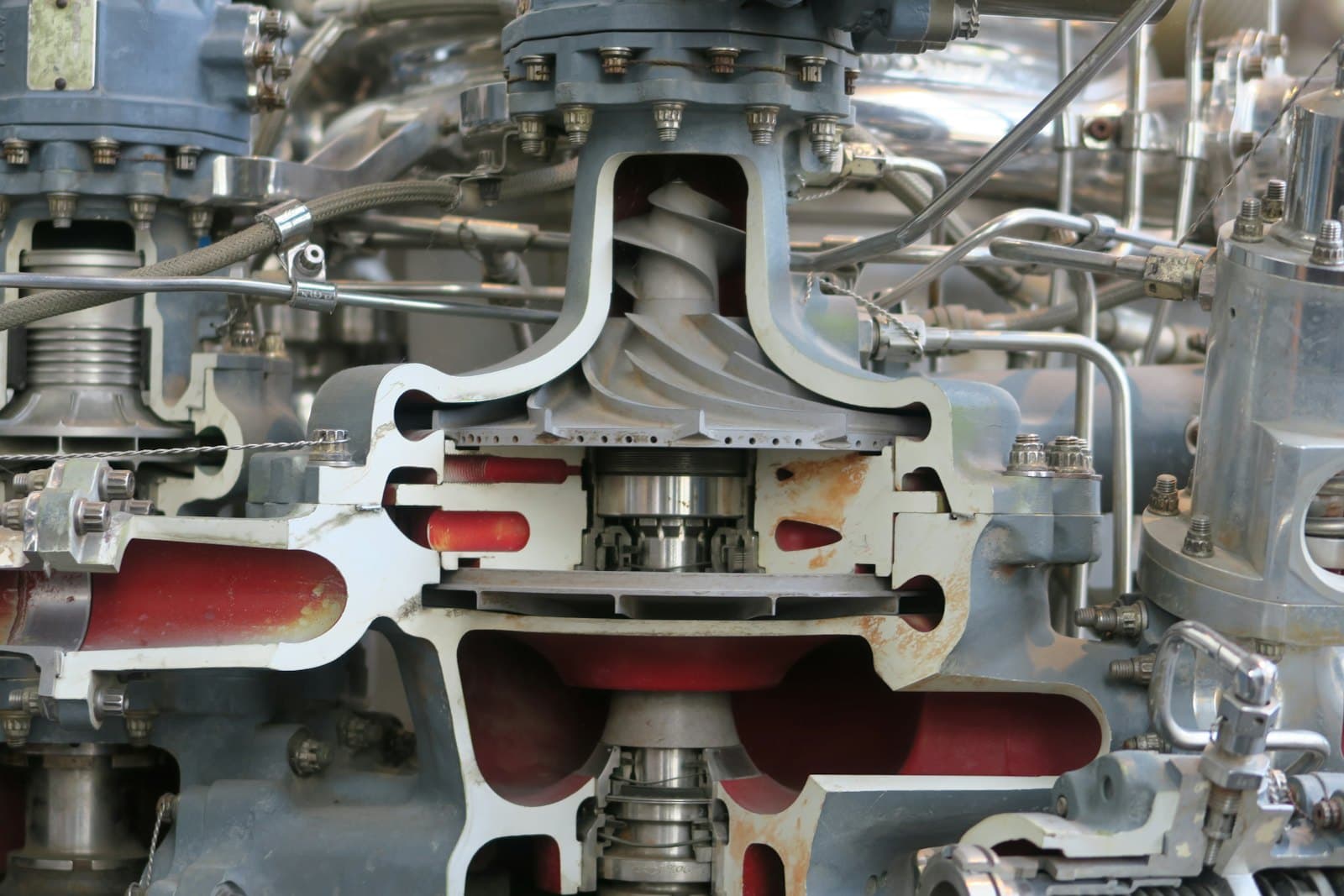
Compressors are machines that pressurise air by compressing it, and they are used in many industrial and personal applications. Various types of compressors are built to meet different needs. Choosing the right compressor is very important for both efficiency and energy savings.
At Karadeniz Kompresör, we offer professional solutions to help you identify the compressor system best suited to your business.
1. Piston Compressors
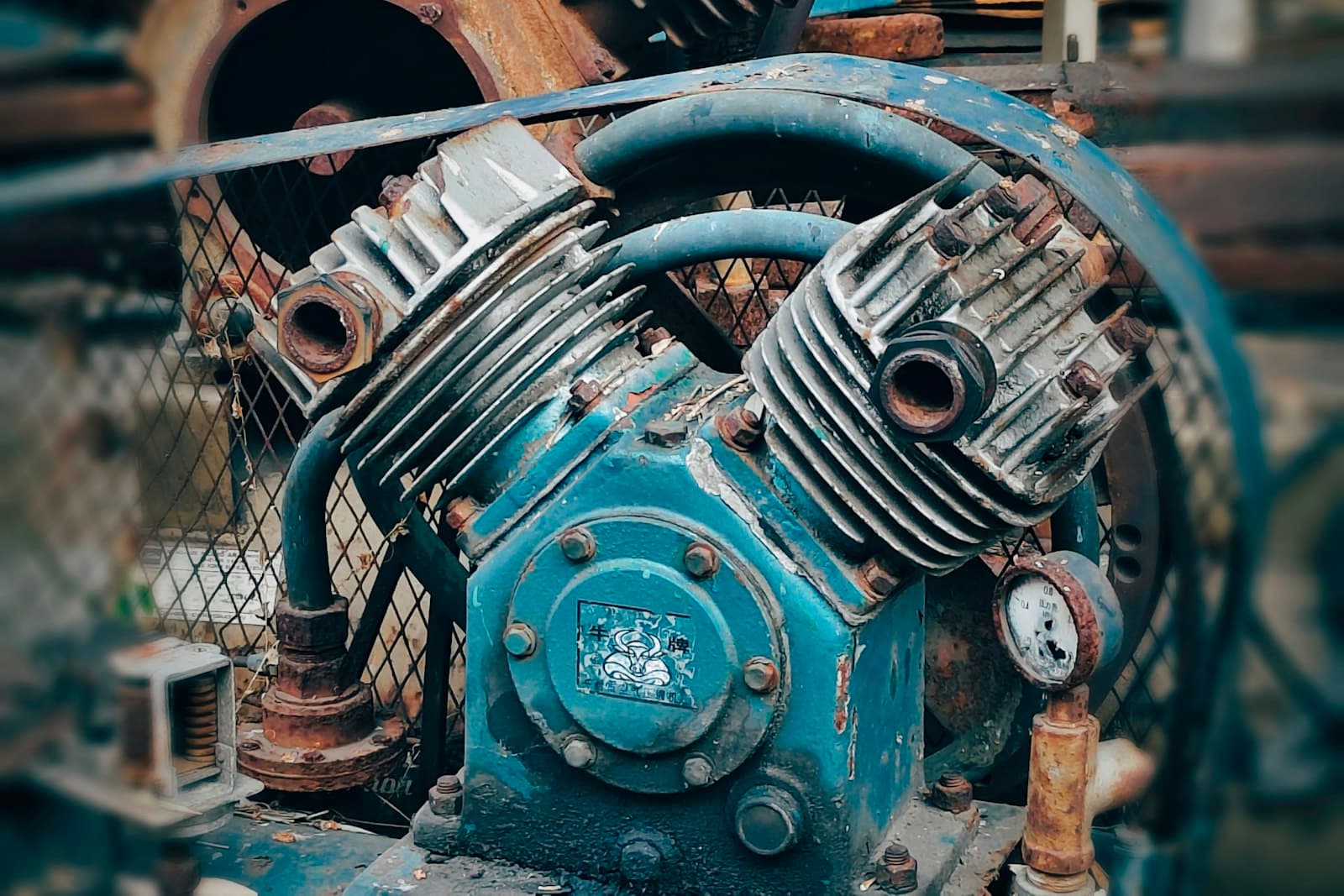
Piston compressors are one of the most widely used types of compressor. Their working principle is based on a piston moving inside a cylinder to compress air.
They are generally preferred by small and medium-sized businesses and are commonly found in workshops, car service centres and small production facilities.
Advantages:
- Cost-effective
- Easy to maintain
- Ideal for small-scale work
Disadvantages:
- Not suitable for continuous operation
- High noise level
2. Screw Compressors
Screw compressors are high-efficiency systems developed for industrial use. Two screws inside the unit compress the air continuously.
This system is ideal for factories and large production lines that require uninterrupted operation.
Advantages:
- Suitable for continuous operation
- Quieter operation
- High energy efficiency
- Long service life
Disadvantages:
- High initial investment
- Requires technical maintenance
3. Oil-Free Compressors
Oil-free compressors are specialised systems in which no oil is used during compression. As a result, the air produced is completely clean.
They are particularly preferred in the medical sector, food production and laboratories.
Advantages:
- Produces clean air
- Suitable for sensitive industries
- No risk of oil contamination
Disadvantages:
- Can wear more quickly
- Maintenance requirements are more demanding
4. Portable Compressors
Portable compressors are compact units that can easily be moved between locations. They are generally used for field work and mobile applications.
They are common in construction, tyre inflation and small repair jobs.
Advantages:
- Easy to transport
- Practical to use
- Ideal for small jobs
Disadvantages:
- Low capacity
- Not suitable for continuous use
5. Centrifugal Compressors
Centrifugal compressors are used in large industrial facilities with high-volume air demand. They work on the principle of accelerating the air and then compressing it.
They are preferred in petrochemical plants, power stations and large factories.
Advantages:
- Very high capacity
- Continuous, stable operation
- Suited to large-scale production
Disadvantages:
- Very high cost
- Only suitable for large facilities
Conclusion
When choosing a compressor, the facility's requirements, operating hours and energy efficiency must always be taken into account. The wrong compressor both increases costs and reduces production efficiency.
At Karadeniz Kompresör, we help you identify the compressor system that best fits your needs and provide after-sales technical support.